The U.S. Supreme Court has overturned a Colorado law banning conversion therapy for minors, ruling the law violates the First Amendment because it restricts what sorts of views counselors may express.
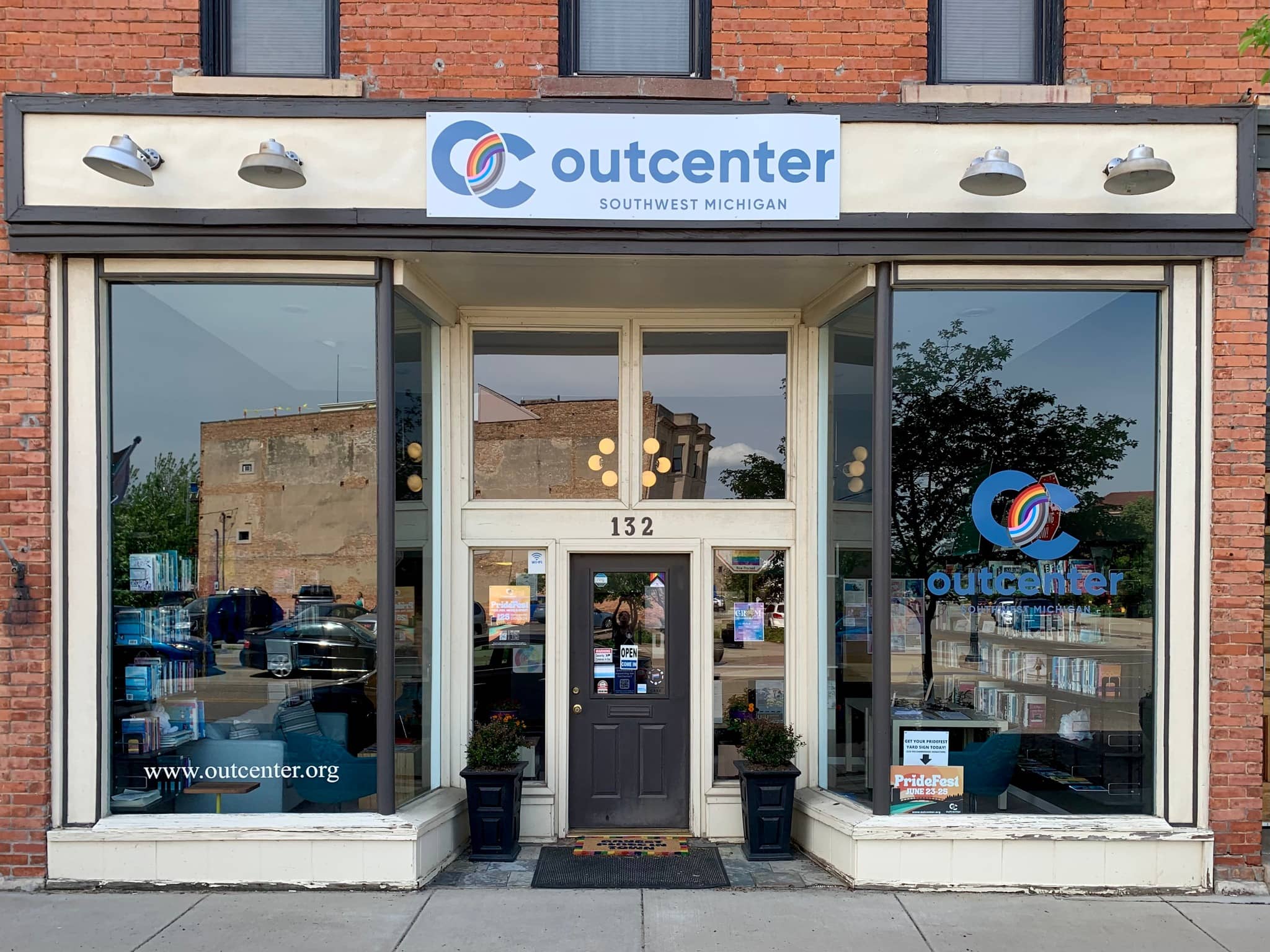
The court’s decision this week calls into question conversion therapy bans across the United States, including in Michigan. Willow Sipling with The OutCenter Southwest Michigan in Benton Harbor tells us conversion therapy has been roundly discredited.
“Conversion therapy, at best, simply doesn’t work,” Sipling said. “It could constitute medical fraud or false advertising because there is no research at all that indicates that conversion therapy or change efforts actually cause the change that they purport to carry out. That’s at best.”
And Sipling says at worst, conversion therapy causes harm to all age groups.
“It can increase suicidality, it decreases many LGBT individuals’ post-conversion therapy relationships. It is also simply unhealthy and unaffirming, which leads to all of the things that a kind of bullying worldview can lead to. That’s self-harm, that is a lack of self-confidence.”
So, what does the court ruling mean for Michigan’s conversion therapy ban?
“With this SCOTUS decision, our ban no longer has the force of law, and licensed mental health practitioners are allowed to practice conversion therapy upon minors.”
Sipling says The OutCenter has been watching the issue closely, and the decision leaves LGBTQ young people in Southwest Michigan at risk, especially if they come from unsupportive households.
“It could be that minor no longer have the ability to to lean on legislative action to prevent themselves from having to undergo conversion therapy and it could be at a parent or church leader’s discretion for them to engage those practices.”
Sipling adds there are other ways conversion therapy could be opposed, like through licensing regulations or through local policies at clinics.
The Supreme Court ruling was 8 to 1, with the lone dissenter being Justice Ketanji Brown Jackson. The majority opinion, written by Justice Neil Gorsuch, said the Colorado ban “censors speech based on viewpoint,” which is not allowed under the First Amendment.